.png?v=9187824b56)

Wenger Survived Two Februaries Before He Won Anything
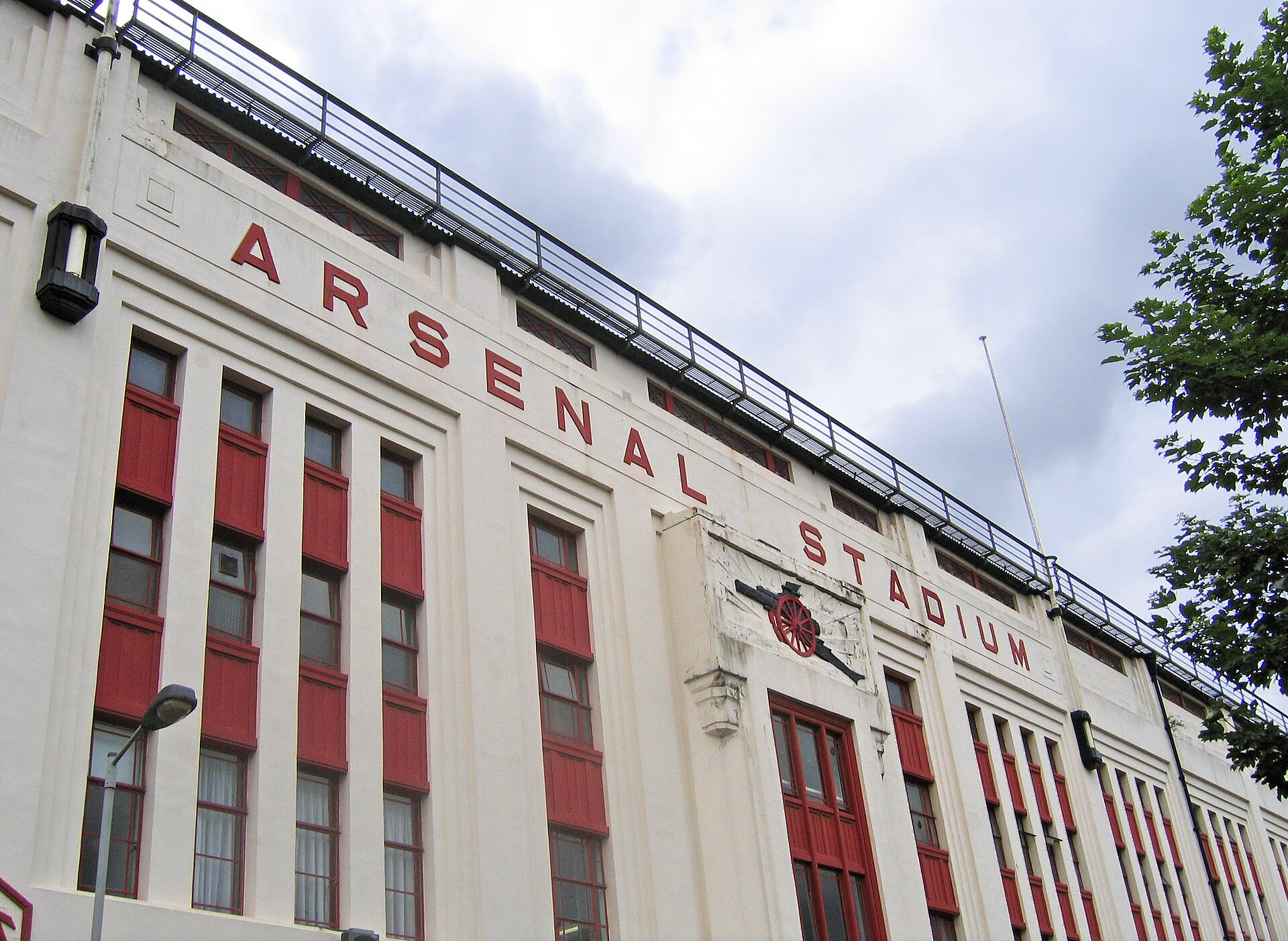
By the second week of February 1998, Arsenal sat twelve points behind Manchester United at the top of the table, and the back pages had started dusting off a joke that was by then eighteen months old. Arsène Who? had been funny in September 1996, when nobody outside French football could place the name on the shortlist. By February 1998 it had teeth. The phone-ins that month weren't debating whether Wenger's Arsenal could win the league — that question had been filed under settled, and the answer was no. They were debating whether the board had backed the wrong horse twice running, and whether a man who'd spent two seasons rearranging the furniture at Highbury without a trophy to show for it deserved a third.
This wasn't even his first February in trouble. In 1997, poor form had been bad enough that Wenger himself ruled out his own team's title chances in print, and Arsenal finished third that season, missing the Champions League to Newcastle United on goal difference. Beaten to a qualifying spot by the tiebreaker, which is about as narrow and humiliating a way to miss out as English football offers. Two seasons, two Februaries, two moments where the sensible read on Arsène Wenger was that he was an interesting experiment that hadn't worked.
What happened next is the part everyone now remembers and almost nobody now dates correctly. Arsenal won fourteen of their last fifteen league games, overhauled United, and won the title, the first time a foreign manager had ever done it in England. A fortnight later they beat Newcastle 2-0 in the FA Cup final, Nicolas Anelka and Marc Overmars scoring, and the double was complete. Dennis Bergkamp and Overmars managed thirty-eight goals between them that season; Ian Wright and Anelka added twenty more. By any honest measure it is one of the great turnarounds in the competition's history, and it happened in roughly ten weeks, after nearly eighteen months of people wondering whether the whole thing had been a mistake.
The legend, when you hear it told now, compresses those eighteen months into nothing. Wenger arrived, introduced the broccoli and the stretching and the diet sheets, and the trophies followed as a matter of course: foreign genius meets English underachievement, correction applied, cabinet filled. It's a good story and it isn't quite the one the record supports. The training methods and the dietary regime were real changes, and they did transform the culture at the club over time; that much the record backs. Whether the specific broccoli-replaces-pie anecdote that gets recycled every time this is written up actually happened the way it's told, I've never been able to pin to a primary source, and I'd be careful repeating it as fact rather than as folklore that's outlived its footnote.
There's a real case for the sceptic here, and it deserves stating plainly. Wenger inherited Tony Adams, David Seaman, Lee Dixon, Ian Wright, a spine built by George Graham, not by him, and Dennis Bergkamp had been at the club since 1995. You can argue the double owed as much to that inheritance as to any revolution, and that the modern game, with its television money and its owners answering to different clocks, simply cannot afford the kind of eighteen-month runway Wenger was given while the joke about his surname was still doing the rounds.
It's a fair case. It's also incomplete, because it treats Wenger as a custodian of what he found rather than a man actively building underneath it. Overmars arrived that period as a Wenger signing, not a Graham one. Anelka came through as a teenager developed under Wenger's man-management. Emmanuel Petit joined that same summer. The double squad was the old spine with new ligaments grafted on, while everyone was busy asking when the manager was going to be sacked.
Roughly the position Mikel Arteta finds himself explaining every time he's asked to account for a transfer window. The demand now isn't for a foundation; it's for the roof to be finished the same afternoon the foundation goes in, and a manager assessing his business in September gets judged against a table that won't mean anything until May. Twelve points off the pace in February 1998 produced newspaper columns wondering if Wenger would survive the summer. Twelve points off the pace in February 2027 would produce the same columns by October, written faster, shared wider, and taken a great deal more seriously by people who never read the ones from 1998.
None of this argues that patience is always rewarded. It would be exactly the kind of tidy conclusion the record doesn't support to pretend otherwise. Plenty of managers given eighteen months of Wenger-shaped doubt never got their ten weeks in return.
What the archive actually shows is narrower and more useful than a moral: that a project is nearly impossible to judge correctly from inside its worst February, because the worst February is precisely the point at which the story hasn't finished being written. Arsenal in 1998 were twelve points behind and being asked when enough was enough. The answer, it turned out, was fourteen games.